
Our Website Development Process — From Clarity Creation To Structured Execution
Requirement Understanding & Technical
Clarity Creation

What Happens
Before development begins, we create a complete understanding of what needs to be built, why it is required, and how it should function.
- Project Managers understand the project objectives, requirements, expected outcomes, and the functional logic behind what needs to be developed
- Functional requirements and technical expectations
are reviewed - User flows, dependencies, and possible complexities
are identified - Technology Leads are involved where required to evaluate technical feasibility and execution approach
- Required clarifications are completed before execution planning begins
Why This Matters
Understanding the requirements and validating their technical feasibility ensures they are clearly defined, practical, and ready for
execution planning.
How This Improves The Outcome
Requirements move into execution planning with greater clarity, reducing assumptions and creating a stronger foundation for accurate scope definition.
Scope Validation & Execution Planning
What Happens
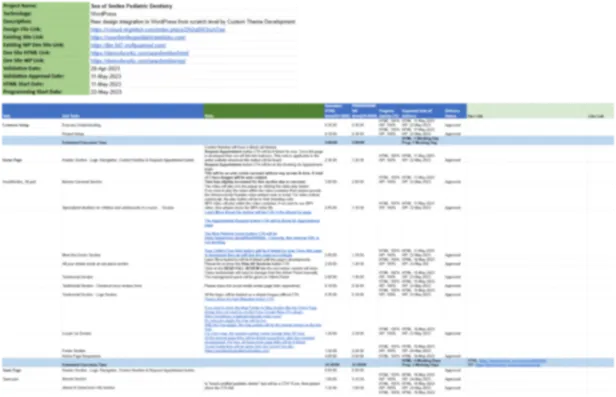
Before coding begins, requirements are converted into a structured Project Scope & Validation Document.
This creates clarity across four important areas:
Scope Clarity
Understanding exactly what needs to be developed, including features, functionality, requirements, and expected outcomes.Execution Clarity
Breaking requirements into actionable tasks and subtasks so every part of development has a defined execution path.Timeline Clarity
Defining and committing realistic delivery expectations based on the agreed scope and execution requirements.Budget Transparency
Ensuring effort, complexity, and cost expectations remain aligned with the defined project scope.
Why This Matters
A project may appear clear at a high level, but hidden assumptions often appear during execution.
- Documenting
- features,
- functionality,
- dependencies,
- tasks, subtasks,
- timelines, and
- execution requirements
- before development begins reduces scope confusion and creates a common understanding
- between everyone involved.
How This Improves The Outcome
Developers work with execution-ready clarity, project expectations remain aligned, timelines become more predictable, and delivery commitments are based on clearly defined requirements.
Client Agreement & Alignment Before Development Begins
What Happens
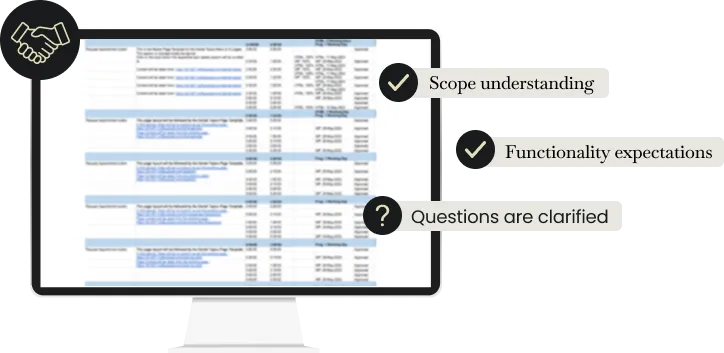
Before active development starts, we ensure the documented execution understanding is confirmed and agreed upon with the client.
- Scope understanding is confirmed
- Functionality expectations are agreed upon
- Open questions are clarified
- Priorities and dependencies are finalized
- Both teams move forward with the same
execution understanding
Why This Matters
Many development issues happen because both sides believe they have the same understanding — until execution begins.
Validation before coding ensures expectations are clearly defined and agreed upon before development time is invested.
How This Improves The Outcome
The project begins with agreed expectations, helping reduce scope confusion, unnecessary revisions, communication gaps, and execution delays.
Structured Task
Allocation & Development Execution

What Happens
Once the project moves into execution, validated tasks enter our internally developed Task Management System.
- Technology Leads assign work based on expertise and project requirements
- Developers execute according to clearly defined tasks and priorities
- Technical guidance is provided
throughout development - Progress is monitored regularly to maintain alignment
- Dependencies and execution status remain
visible internally
Why This Matters
Successful development requires more than assigning work to developers.
A structured execution workflow ensures every team member understands responsibilities, priorities, dependencies, and expected outcomes.
How This Improves The Outcome
Development becomes more controlled and predictable, reducing interpretation gaps while helping teams maintain quality, consistency, and committed delivery timelines.
Design Intent Preservation During Development
(For websites, landing pages, and design-to-code
implementation projects)
What Happens
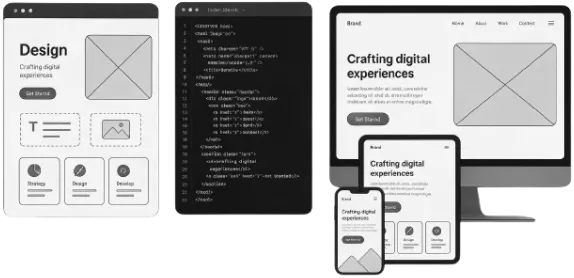
When development involves approved visual designs, our process focuses on pixel-perfect implementation to preserve the original design direction.
- Layout structure and spacing are accurately replicated
- Visual hierarchy is preserved
- Responsive behaviour is carefully implemented
across devices - Front-end accuracy is reviewed
- User experience considerations are maintained
Why This Matters
Accurately replicating the approved design across different devices and screen sizes ensures the intended user experience, visual hierarchy, and overall design quality are preserved
throughout development.
How This Improves The Outcome
The final developed experience maintains the intended look, feel, functionality, and user experience planned during the design phase.
Communication & Project Visibility Throughout Execution
What Happens
Throughout development, communication is structured to maintain transparency and alignment.
- A Project Manager acts as the single point
of communication - Information flows through a centralized
communication channel - Progress updates are shared regularly
- Dependencies and clarifications are tracked
- Questions are resolved quickly to avoid execution delays
Project Management & Communication Tools
| Project Management: |
|
|---|---|
| Communication: |
|
Why This Matters
Maintaining visibility throughout execution ensures questions, clarifications, and project decisions are addressed promptly, helping the project stay aligned with the agreed direction.
How This Improves The Outcome
The development process provides complete project visibility, allowing clients to stay informed and confident without needing to constantly follow up or manage the development team.
Three-Layer Quality Verification
What Happens
Before delivery, every task goes through multiple
verification checkpoints.
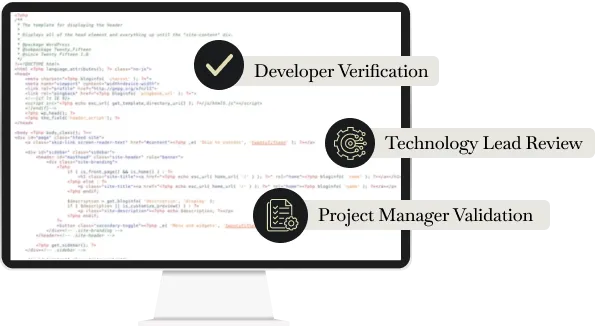
Layer 1 — Developer Verification
The developer reviews implementation against
assigned requirements.Layer 2 — Technology Lead Review
Technical quality, functionality, coding approach, and execution accuracy are verified.Layer 3 — Project Manager Validation
Final verification ensures the delivered output matches the agreed scope and client expectations.
Final verification ensures the delivered output matches the agreed scope and client expectations.
Why This Matters
Multiple verification checkpoints create accountability throughout development, ensuring issues are identified and resolved before delivery.
How This Improves The Outcome
Issues are identified earlier, rework is reduced, and every delivery goes through structured validation — helping tasks move forward accurately and within committed timelines.
Final Validation &
Project Delivery
What Happens
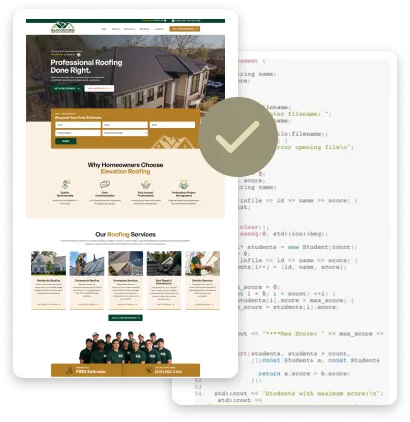
Before project completion, the final output is checked against the agreed requirements.
- Scope completion is verified
- Functionality is tested
- User experience is reviewed where applicable
- Deployment or handover requirements are completed
- Final delivery confirmation is completed
Why This Matters
Final validation ensures the completed solution is thoroughly reviewed against the agreed scope, functionality, and quality standards before delivery.
How This Improves The Outcome
Clients receive a thoroughly verified solution that reflects the agreed scope and requirements, reducing the likelihood of post-delivery issues and creating greater
confidence in the final delivery.
Clarity Before Execution. Accountability Until Delivery
Great development is not only about writing quality code.
It is about understanding the logic behind what needs to be built, creating agreement before execution, maintaining visibility throughout development, and verifying quality before delivery.
Our process is designed to reduce uncertainty, improve execution reliability, and create predictable project outcomes.