
Our Website Design Process — From Understanding To Aligned Execution
Understanding The Business & Website Purpose
What Happens
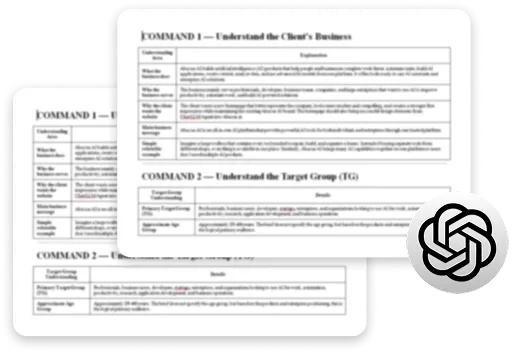
Before design begins, we understand the foundation behind the website:
- Your business, products, and services
- Your target audience and customer expectations
- The purpose and goals of the website
- Your market position and competitive landscape
- The actions visitors need to take
These insights are captured through our structured discovery framework, creating a clear foundation for strategy, messaging, and design decisions.
Why This Matters
Understanding the business and audience ensures the design direction is based on purpose rather than assumptions.
How This Improves The Outcome
Every design decision starts with clarity — creating stronger alignment between your business goals, your audience expectations, and the final website experience.
Creating Design Alignment Before Visual Execution

What Happens
Before designers start creating visuals, we convert business understanding and messaging strategy into a structured design direction framework:
- Website goals and communication priorities are
clearly defined - Target audience expectations are translated into
design considerations - Desired look & feel, emotional tone, and design personality are established
- Reference websites and visual preferences are analysed
- AI-assisted analysis helps identify gaps, assumptions, and opportunities for stronger alignment
The final direction is documented into a design alignment framework, ensuring everyone involved shares the same understanding before creative execution begins.
Why This Matters
Creative terms like “premium”, “modern”, or “professional” can mean different things depending on the industry, audience, culture, and business positioning.
Defining the design direction creates clarity around what those ideas mean for your specific website.
How This Improves The Outcome
With a clearly defined design direction, designers can explore creative solutions with greater confidence, resulting in more consistent, purposeful, and aligned design decisions.
Discovering
The Right Messaging & Communication
Direction
What Happens
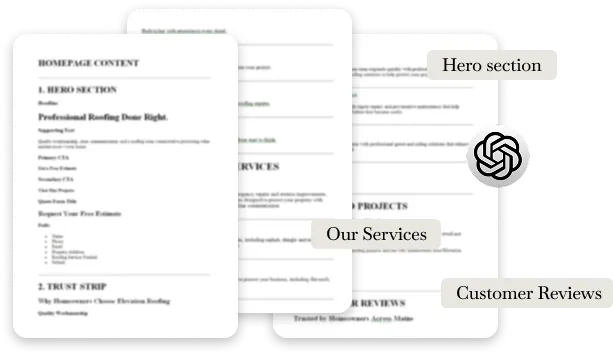
Before defining the website structure, we identify what the website needs to communicate:
- Your core strengths, differentiators, and
market positioning - What matters most to your target audience
- Customer motivations, expectations, and
decision factors - Key messages that build trust and confidence
- The communication priorities for important
website sections
These insights are organised into a structured messaging framework that guides the website content, hierarchy, and communication direction.
Why This Matters
Defining the right messaging ensures the website communicates what matters most to your audience, creating a clear direction before
design begins.
How This Improves The Outcome
The website communicates a clearer, more consistent message—ensuring every page reinforces your business value and guides visitors toward the right decisions.
Visual Wireframe & Creative Exploration
What Happens
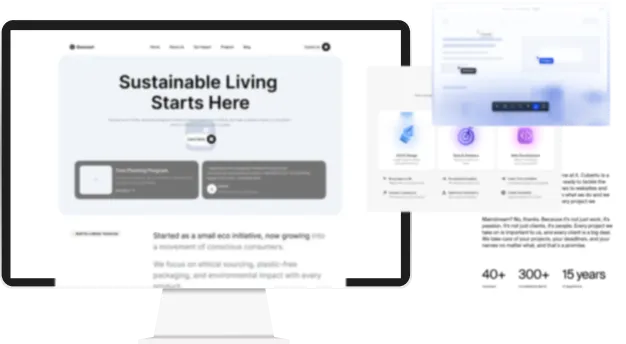
Before moving into final visual design, our designers explore creative possibilities and establish the website’s visual direction:
- Research relevant websites, design approaches, and creative inspirations
- Explore layouts, section structures, and
presentation styles - Create high-fidelity visual wireframes to define the website experience
- Plan content flow, visual hierarchy, and user journey
- Translate the design direction into a practical
visual framework
Why This Matters
Validating the visual direction early ensures the complete website is built on an approved creative foundation, reducing unnecessary revisions as the design progresses.
How This Improves The Outcome
The website foundation is planned before detailed design begins, ensuring stronger consistency, better user experience, and a smoother transition from creative direction to
final visual execution.
Creative Director
Review & Design Direction Refinement
What Happens
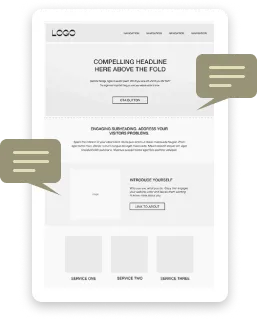
Before moving into complete website design, the initial creative direction is reviewed by our senior
design leadership:
- Visual structure and design approach are reviewed
- Alignment with the original brief and design direction
is checked - User experience, hierarchy, and communication flow
are evaluated - Improvements and refinements are suggested before full execution begins
Why This Matters
The early design direction establishes the foundation for the entire website experience.
Reviewing this foundation before complete execution ensures the website is moving in the right creative direction and prevents misalignment from continuing throughout the project.
How This Improves The Outcome
Potential improvements are identified early, ensuring the final design direction remains aligned with the business goals, audience expectations, and intended visual experience
Controlled Design Execution With Alignment Checkpoints
What Happens
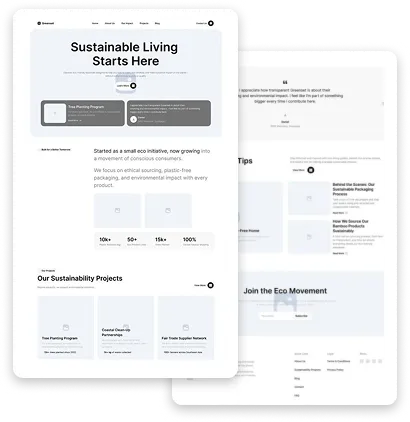
Once the design direction is approved internally, our designers begin creating the complete website design through structured review checkpoints:
- The hero section and the next two key sections are designed first
- Creative Director review happens at this early stage to validate the design direction
- Visual style, layout approach, hierarchy, user experience, and brand consistency are reviewed to ensure every design remains aligned with the approved
creative direction - Regular checkpoints continue as the remaining website sections are designed
Why This Matters
The first few sections establish the complete visual language of the website — including the overall look & feel, spacing, typography, hierarchy, and design style.
Reviewing these sections early ensures the creative direction is aligned before it is carried across the entire website.
How This Improves The Outcome
Continuous alignment checks ensure the design remains consistent with the approved direction, reducing unnecessary rework and maintaining quality throughout the
complete website experience.
Complete Website
Design & Experience Refinement
What Happens
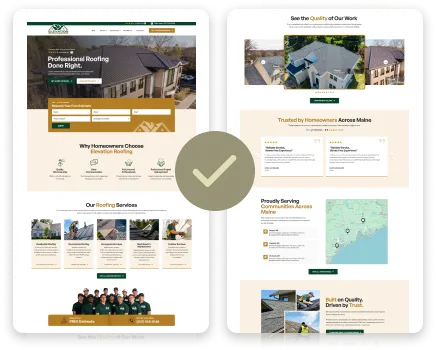
After the core design direction is validated, the complete website experience is created:
- Remaining website sections and pages are designed
- Visual consistency is maintained across the
complete website - Content presentation and hierarchy are refined
- Interactions and user experience details are considered
- Final creative improvements are added
Why This Matters
Refining the complete website as a connected experience ensures every page works together consistently, creating a website that feels cohesive, intuitive, and aligned with the approved
design direction.
How This Improves The Outcome
The final website feels cohesive, professional, and intentionally designed — with every element supporting the business message, user journey, and desired action.
Final Design
Validation Before Client Presentation
What Happens
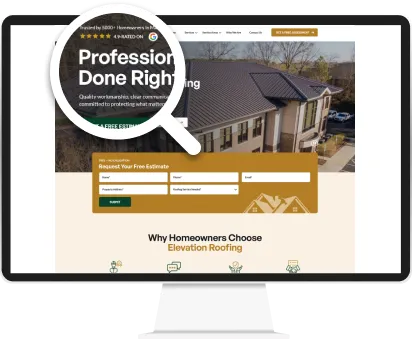
Before presenting the design, we complete a final internal review against the original project understanding:
- Business objectives and website purpose
- Target audience expectations
- Messaging and communication priorities
- Design direction and look & feel
- Overall user experience and visual consistency
Why This Matters
The final review ensures the design is evaluated against the goals defined at the beginning — not only personal opinions or visual preferences.
How This Improves The Outcome
The website presented to the client is backed by a complete journey of understanding, strategy, creative exploration, and structured review — ensuring stronger alignment
between expectation and execution.
Client Review,
Refinement &
Homepage Approval
What Happens
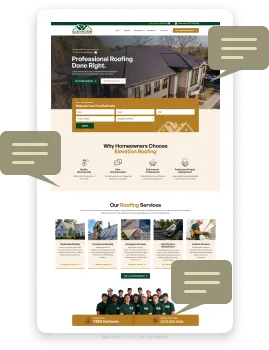
- Two to three homepage design concepts are presented for review.
- The client evaluates the concepts and shares feedback.
- Unlimited revision rounds are completed until the preferred homepage design is approved.
- Once approved, the selected creative direction becomes the foundation for designing the remaining website pages.
Why This Matters
Approving the homepage design first establishes a clear visual direction for the remainder of the website, ensuring consistency throughout
every page.
How This Improves The Outcome
Designing the remaining pages after the homepage is approved creates a more consistent website experience while reducing unnecessary revisions later in the project.
Final Design
Approval & Source
File Handover
What Happens
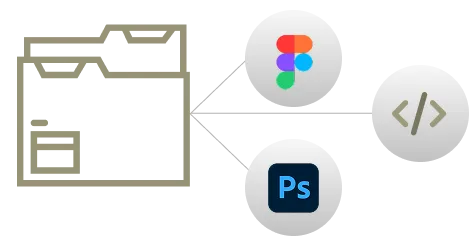
- Final approval is received for all website pages.
- Design source files (Figma or PSD) are prepared.
- All approved design assets are handed over to the client or development team.
Why This Matters
A structured handover ensures the approved designs are ready for accurate development while giving the client complete ownership of the final design assets.
How This Improves The Outcome
The client receives fully organized, approved design assets that are ready for the next stage of the project, ensuring a smooth transition regardless of who undertakes the development
Understanding Creates Direction. Direction Creates Better Design
A successful website is not the result of a single creative moment. It is created through understanding, strategic thinking, creative exploration, and continuous alignment.
Our process ensures creativity is focused on solving the right problem — creating websites that look beautiful, communicate clearly, and support business goals.